
Contents
- 🎵 Origins & History
- ⚙️ How It Works
- 📊 Key Facts & Numbers
- 👥 Key People & Organizations
- 🌍 Cultural Impact & Influence
- ⚡ Current State & Latest Developments
- 🤔 Controversies & Debates
- 🔮 Future Outlook & Predictions
- 💡 Practical Applications
- 📚 Related Topics & Deeper Reading
- Frequently Asked Questions
- References
- Related Topics
Overview
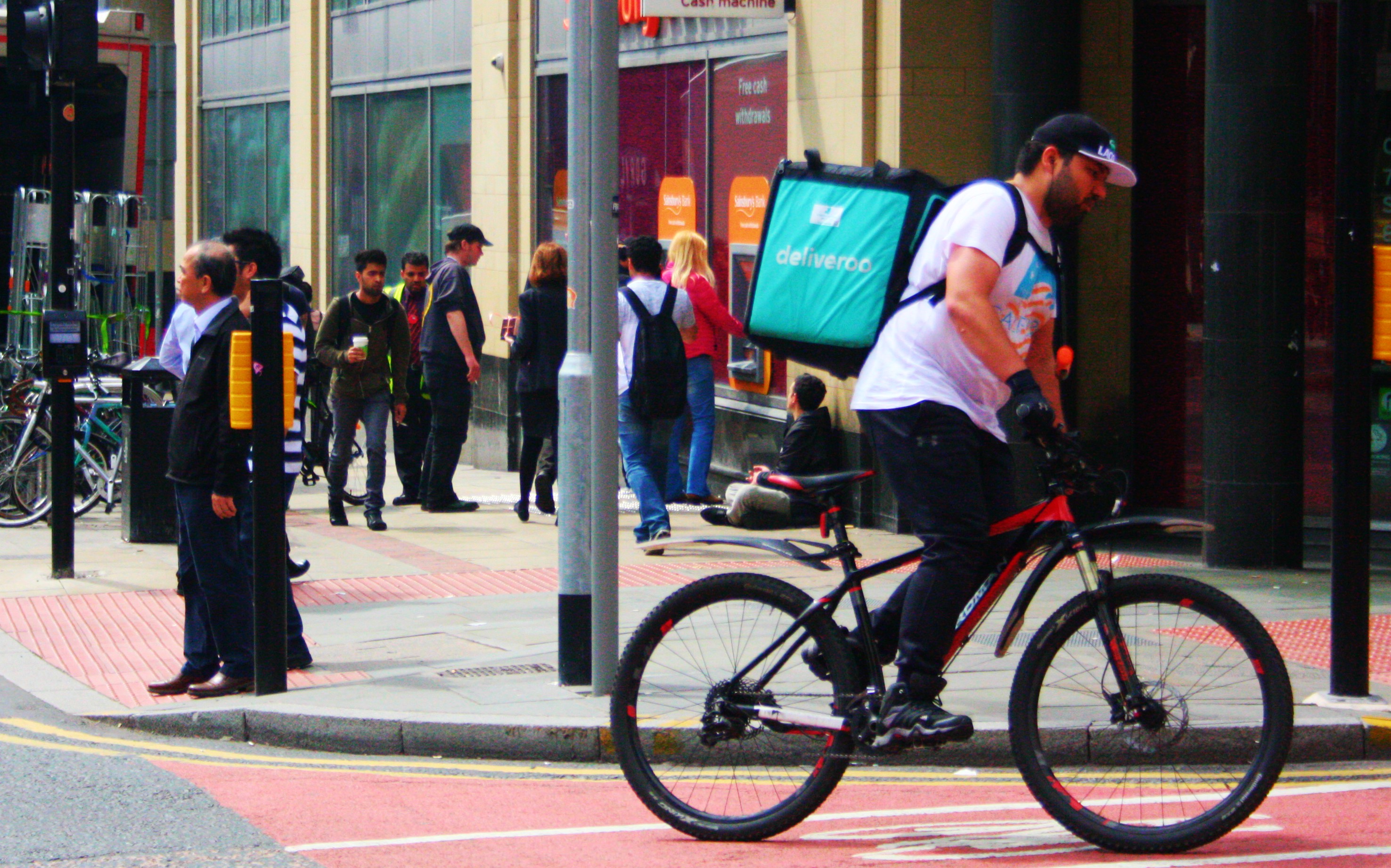
The gig economy works by connecting workers with clients and customers through digital platforms. These platforms, such as Upwork and Freelancer, provide a range of tools and services to help workers find and complete jobs, from payment processing to project management. For example, TaskRabbit is a platform that connects workers with clients who need help with tasks such as house cleaning, furniture assembly, and grocery shopping. Workers can choose from a variety of tasks and work on their own schedule, allowing for flexibility and autonomy.
⚙️ How It Works
The gig economy is having a significant impact on the way we work, with more and more people choosing to engage in freelance and independent work. The gig economy is constantly evolving, with new platforms and technologies emerging all the time. One of the latest developments is the rise of blockchain technology, which is being used to create new platforms and marketplaces for gig workers.
📊 Key Facts & Numbers
There are many controversies and debates surrounding the gig economy, from concerns about worker rights and benefits to questions about the impact of the gig economy on traditional employment arrangements. Some critics argue that the gig economy is exacerbating income inequality, while others argue that it provides opportunities for workers to earn extra income and pursue their passions.
👥 Key People & Organizations
The gig economy is related to a range of other topics, from the future of work to the impact of technology on employment. For more information on these topics, check out our articles on the future of work and technology and employment.
🌍 Cultural Impact & Influence
The gig economy has many practical applications, from freelance writing and design to ride-sharing and task-based work. For example, Fiverr is a platform that connects workers with clients who need help with tasks such as content creation, digital marketing, and web development. Workers can offer their services starting at $5 per task, allowing for flexibility and affordability.
⚡ Current State & Latest Developments
The gig economy is expected to continue growing in the future, with more and more people choosing to engage in freelance and independent work. As the gig economy continues to evolve, it's essential for workers, companies, and governments to work together to create a fair and sustainable system for all.
🤔 Controversies & Debates
The gig economy is having a major cultural impact, with more and more people choosing to engage in freelance and independent work. This shift is also having a significant impact on the way we think about work and employment, with many people prioritizing flexibility and autonomy over traditional employment arrangements.
🔮 Future Outlook & Predictions
The gig economy is constantly evolving, with new platforms and technologies emerging all the time. This evolution is expected to continue, with the gig economy playing an increasingly important role in the way we work and live.
💡 Practical Applications
The gig economy has many benefits, including flexibility and autonomy for workers. However, it also raises important questions about worker rights and benefits, as well as the impact on traditional employment arrangements.
Key Facts
- Origin
- United States
- Category
- resources
- Type
- concept
Frequently Asked Questions
What is the gig economy?
The gig economy is a system in which workers engage in freelance and side-employment through digital platforms.
How does the gig economy work?
The gig economy works by connecting workers with clients and customers through digital platforms. These platforms provide a range of tools and services to help workers find and complete jobs, from payment processing to project management.
What are the benefits of the gig economy?
The gig economy provides workers with flexibility and autonomy, allowing them to choose when and how they work. However, it also raises important questions about worker rights and benefits, as well as the impact on traditional employment arrangements.
What are the challenges of the gig economy?
The gig economy raises important questions about worker rights and benefits, as well as the impact on traditional employment arrangements. Some critics argue that the gig economy is exacerbating income inequality, while others argue that it provides opportunities for workers to earn extra income and pursue their passions.